Leonardo da Vinci’s Last Supper in Milan: History, Story and Secrets
Few works of art are as famous as Leonardo da Vinci’s Last Supper in Milan. Painted at the end of the 15th century, the masterpiece has fascinated visitors, historians, and

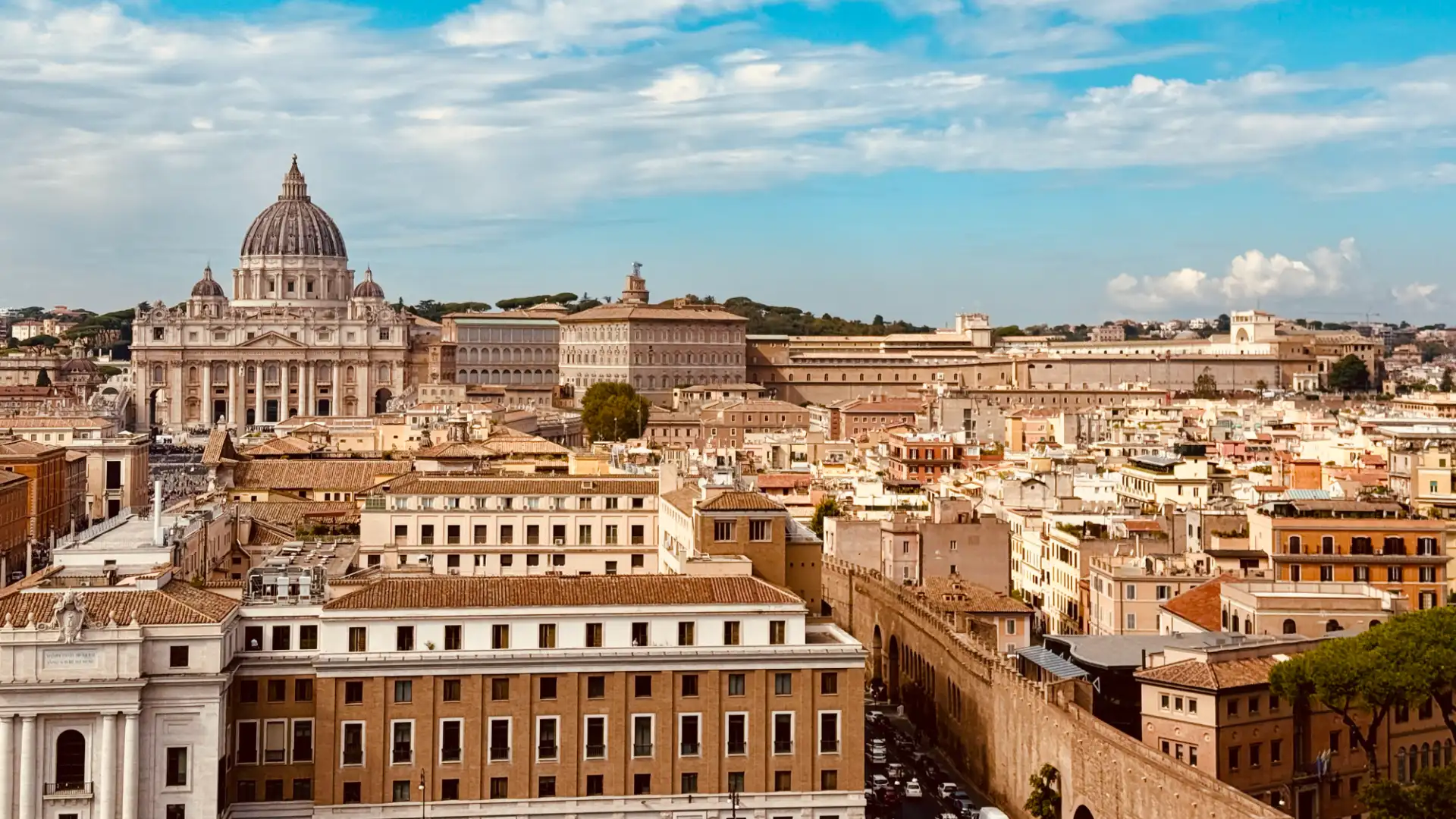
Few places in Rome capture the imagination quite like the Passetto, the secret elevated corridor that connects Vatican City to Castel Sant’Angelo. Hidden above the streets of the historic Borgo district, this remarkable passage has witnessed some of the most dramatic events in the history of the Catholic Church. While millions of visitors admire St. Peter’s Basilica and Castel Sant’Angelo every year, relatively few have the opportunity to discover the fascinating story behind the Passetto and the crucial role it played in protecting the popes during times of danger.
If you’re planning a trip to Rome and want to experience a lesser-known monument filled with history, legends, and breathtaking views, the Passetto deserves a place on your itinerary.
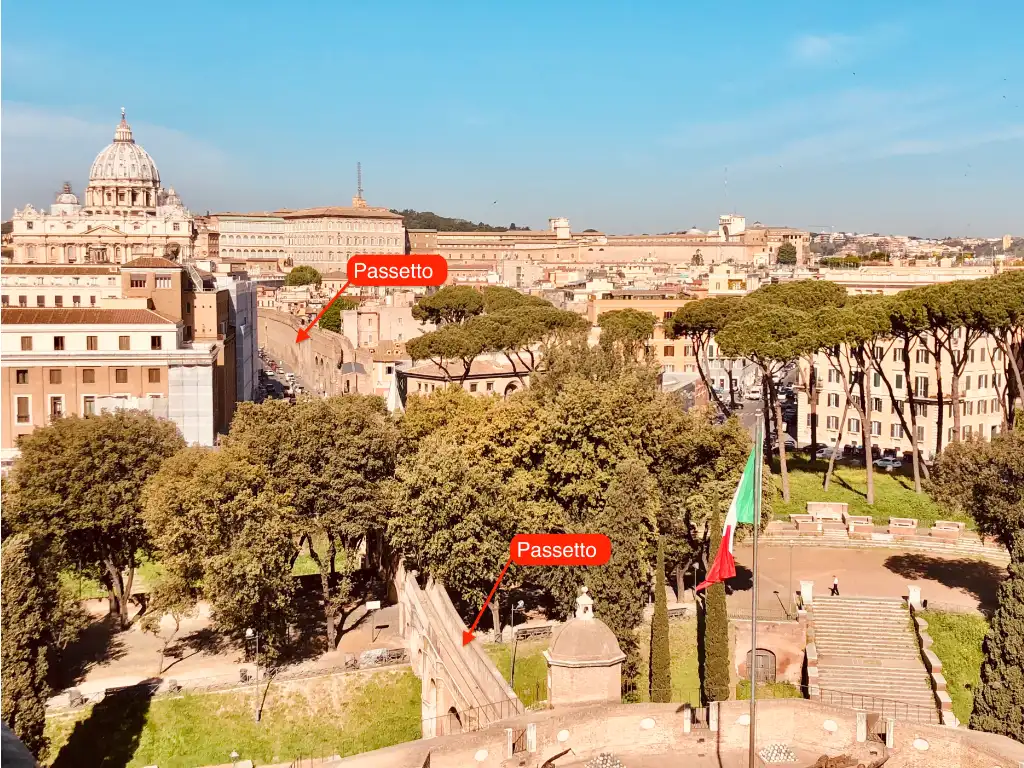
The Passetto, officially known as the Passetto di Borgo, is an elevated fortified corridor measuring approximately 800 meters (2,600 feet) in length. It links the Apostolic Palace inside Vatican City with Castel Sant’Angelo, one of Rome’s most impressive landmarks.
Built into the medieval walls of the Borgo district, the corridor allowed the Pope to travel safely between the Vatican and the fortress without stepping into the streets below. From the outside, many visitors mistake it for part of the city’s defensive walls, but inside lies a narrow passage that once served as the Vatican’s emergency escape route.
Today, the Passetto remains one of Rome’s most exclusive historical sites, opening to visitors only on selected dates and for limited periods.
The Passetto was probably constructed in 1277 during the pontificate of Pope Nicholas III. At the time, Rome was far from the peaceful destination travelers know today. Political instability, rival noble families, foreign invasions, and frequent conflicts made security a constant concern for the papacy.
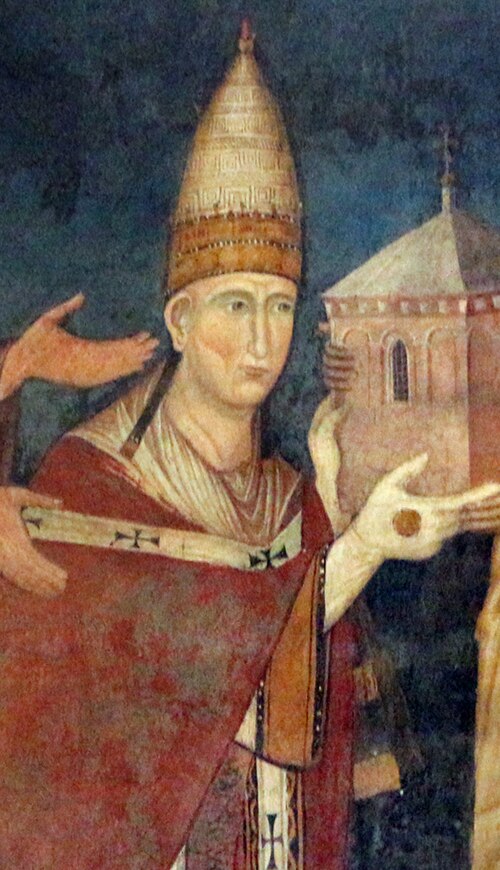
The Pope was not only the head of the Catholic Church but also the ruler of the Papal States, making him a political leader as well as a religious one. A secure escape route became essential in case of attack.
Castel Sant’Angelo, originally built as Emperor Hadrian’s mausoleum in the second century AD, had already been transformed into one of the strongest fortresses in central Italy. Connecting the Vatican directly to the castle through the Passetto ensured that the Pope could reach safety within minutes if necessary.
This ingenious defensive system reflects the unique relationship between religion, politics, and military strategy during the Middle Ages and the Renaissance.
The most famous chapter in the history of the Passetto occurred on May 6, 1527, during the devastating Sack of Rome.
An army of imperial troops loyal to Emperor Charles V stormed the city, bringing destruction on an unprecedented scale. Churches, monasteries, palaces, and private homes were looted while thousands of people lost their lives.
As the attackers reached the Vatican, Pope Clement VII escaped through the Passetto while the Swiss Guard fought to delay the invading soldiers.
Almost the entire Swiss Guard was killed defending St. Peter’s Basilica, allowing the Pope enough time to reach Castel Sant’Angelo safely through the elevated corridor.
Without the Passetto, the history of the papacy—and perhaps of Europe itself—might have been very different.
Even today, the heroism displayed during that dramatic day is remembered every year by the Pontifical Swiss Guard.
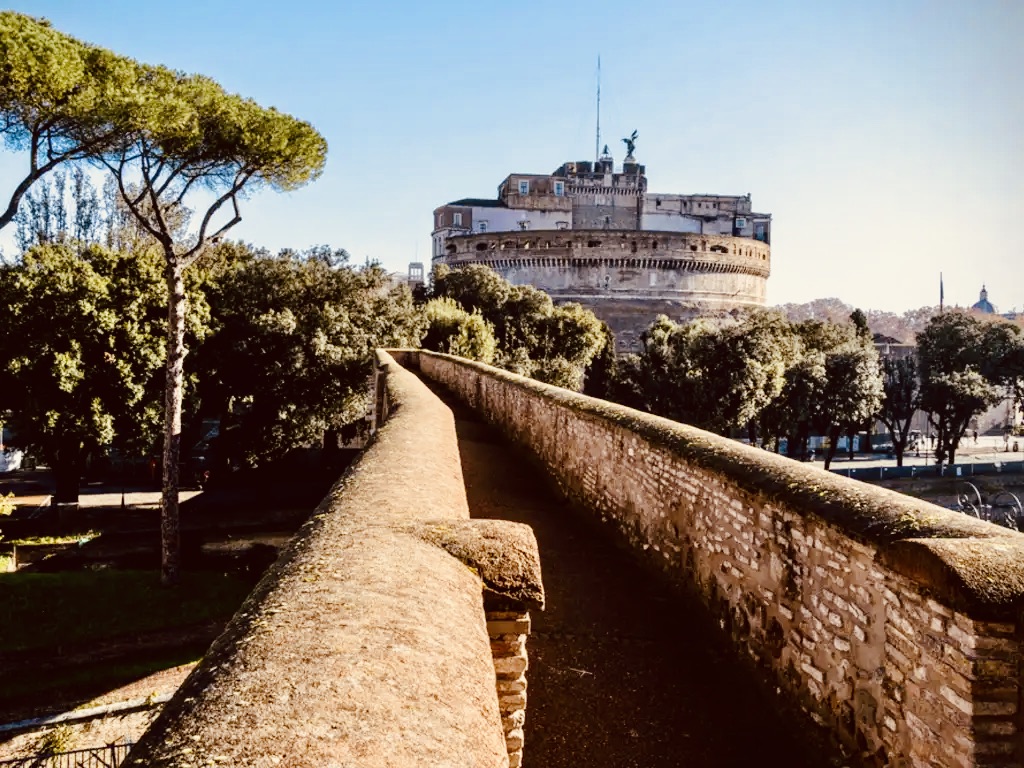
Walking through the Passetto is a unique experience because it allows visitors to follow the same route once used by Renaissance popes.
The interior is simple and functional rather than luxurious. Narrow corridors, thick stone walls, defensive openings, and small windows reveal that the structure was designed for protection rather than comfort.
As you walk along the passage, you’ll enjoy unusual views over the Borgo district, the Vatican walls, and Castel Sant’Angelo. These perspectives are impossible to appreciate from street level and provide a completely different understanding of medieval Rome’s defensive system.
The walk itself is relatively short but incredibly atmospheric, offering a rare opportunity to connect with one of the city’s most important historical events.
Unlike many of Rome’s famous monuments, the Passetto is not permanently open to the public.
Access is usually granted only during special opening periods, restoration initiatives, or cultural events. Because of these limited openings, tickets often sell out quickly.
The restricted access helps preserve the historic structure while ensuring visitor safety inside the narrow medieval corridor.
For this reason, anyone hoping to visit the Passetto should check availability well in advance and consider booking as soon as tickets become available.
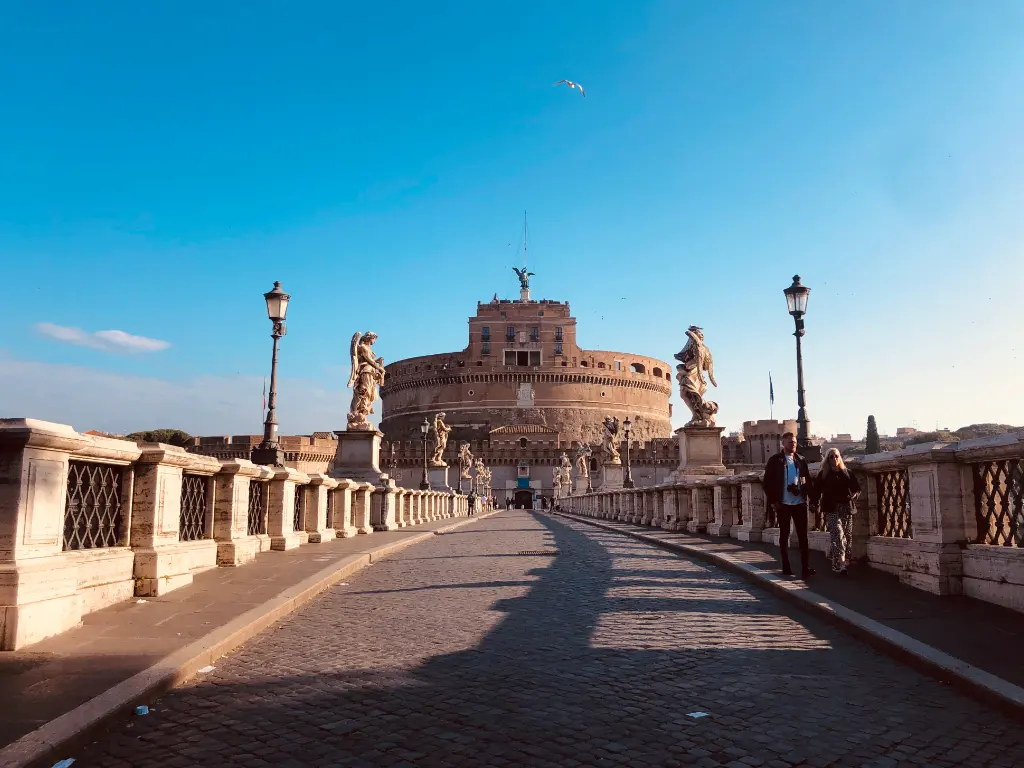
Although the Passetto is fascinating on its own, its true historical significance becomes clear only when combined with a visit to Castel Sant’Angelo.
The fortress served many different purposes throughout its long history. Originally built as the mausoleum of Emperor Hadrian, it later became a military fortress, a papal residence, a prison, and one of the strongest defensive structures in Rome.
Exploring both monuments together allows visitors to understand why the secret corridor was built in the first place. Inside Castel Sant’Angelo, you’ll discover the papal apartments, defensive bastions, prison cells, Renaissance frescoes, and spectacular panoramic terraces overlooking the Eternal City.
Together, the Passetto and Castel Sant’Angelo tell the complete story of the papacy’s struggle to survive during centuries of political turmoil.
Absolutely.
While Rome is filled with extraordinary archaeological sites and Renaissance masterpieces, the Passetto offers something different: the chance to experience history from the perspective of those who lived through it.
Rather than simply admiring ancient ruins, visitors literally walk along the same route used by popes fleeing for their lives. This emotional connection makes the experience especially memorable.
Because relatively few people have the opportunity to enter the Passetto, it also feels far more exclusive than many of Rome’s better-known attractions.
The story of the Passetto is filled with political intrigue, military strategy, Renaissance history, and fascinating legends that are easy to miss without expert interpretation.
For visitors who want to understand the significance of every section of the corridor, combining the Passetto with a guided visit to Castel Sant’Angelo offers the richest possible experience.
At Italian ArtVentures, our archaeologists and art historians bring these remarkable places to life, explaining how the fortress, the Vatican, and the secret passage shaped the history of Rome for centuries.
When access to the Passetto is available, our combined experience allows visitors to discover one of the Eternal City’s most exclusive and least-known treasures while exploring the magnificent Castel Sant’Angelo in depth.
If you’re looking beyond Rome’s most famous attractions and want to uncover one of its greatest hidden stories, the Passetto is an unforgettable journey through history: therefore, don’t hesitate to contact us!
Do you want to know more about the history of the Passetto? Click here!
Few works of art are as famous as Leonardo da Vinci’s Last Supper in Milan. Painted at the end of the 15th century, the masterpiece has fascinated visitors, historians, and
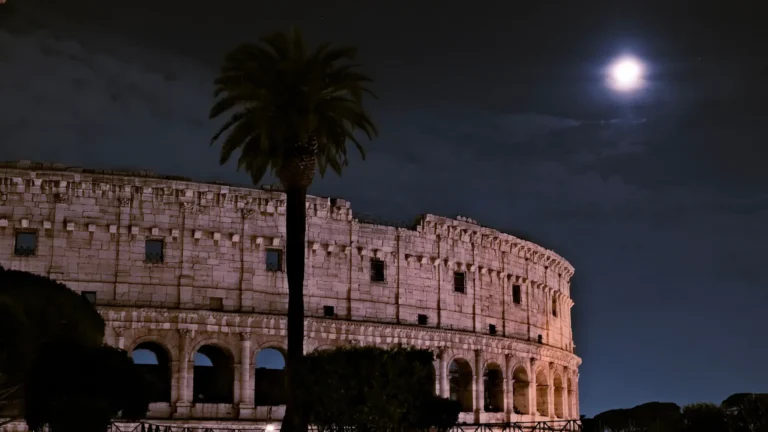
Imagine entering the Colosseum after the gates have closed to the general public. The daytime crowds have disappeared, the summer heat has faded, and Rome’s most famous monument is illuminated
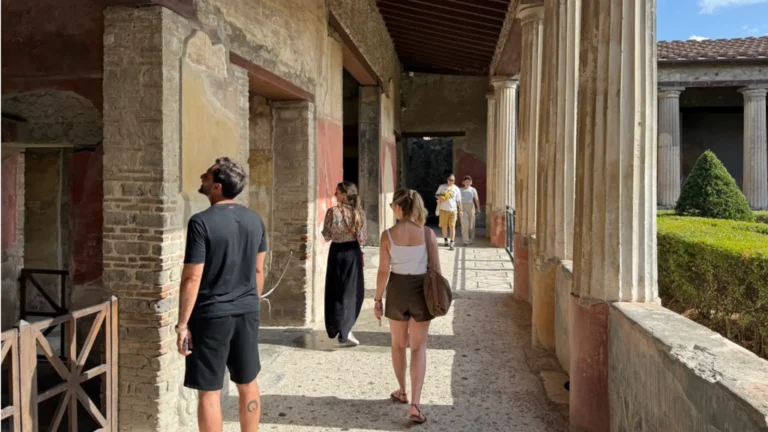
If you are visiting Rome, the allure of the stunning Amalfi Coast area, Sorrento Peninsula and the ancient history of Pompeii is hard to resist. Many travelers ask us at