
Leonardo da Vinci’s Last Supper in Milan: History, Story and Secrets
Few works of art are as famous as Leonardo da Vinci’s Last Supper in Milan. Painted at the end of the 15th century, the masterpiece has fascinated visitors, historians, and


Sustainable travel in Italy is more important than ever as tourism continues to grow. Italy’s breathtaking landscapes, rich history, and world-famous cuisine attract millions of visitors each year. However, the increasing number of tourists has led to environmental challenges, overcrowding, and strain on local communities. By adopting sustainable travel in Italy, visitors can help preserve the country’s cultural and natural heritage while enjoying a more immersive and responsible experience.
Sustainable travel in Italy focuses on minimizing environmental impact, supporting local economies, and respecting cultural traditions. By choosing eco-friendly travel options, you can contribute to the long-term preservation of Italy’s most cherished sites and landscapes.

Sustainable travel in Italy starts with choosing low-impact transportation. Italy has an extensive and efficient train network, making it easy to explore the country without relying on cars. Walking and cycling tours are also excellent options, reducing carbon emissions while offering a more intimate experience of Italy’s cities and countryside. Public transportation in cities like Rome, Milan, and Florence is also highly effective, reducing the need for rental cars and taxis.
For more information about how to travel in Italy by train, take a look at this article.
Here, instead, you can find the links to the two most important Italian train companies: Trenitalia and Italo.

Avoiding overcrowded tourist hotspots can make a significant difference. Sustainable travel in Italy includes exploring hidden gems such as:
Sustainable travel in Italy also means staying in eco-conscious accommodations. Look for hotels, agriturismi (farm stays), and eco-lodges that prioritize sustainability. Many offer locally sourced meals, renewable energy usage, and responsible waste management practices. Some eco-friendly accommodations include:
Sustainable travel in Italy involves giving back to local communities. Dining at locally-owned restaurants, shopping at markets, and booking tours with independent guides ensure that tourism revenue benefits Italian communities rather than large corporations. Consider:

Responsible travel goes beyond choosing sustainable services; it also involves personal behavior. Simple steps can significantly reduce your impact and enhance sustainable travel in Italy:
Slow travel is a growing movement that aligns closely with sustainability principles. Instead of rushing from city to city, slow travel encourages longer stays in fewer locations, allowing for deeper cultural experiences and reduced environmental impact. By spending more time in one place, travelers:

Sustainable travel in Italy offers countless opportunities for responsible tourism. There are many ways to experience Italy while being mindful of sustainability:
Sustainable travel in Italy enhances your journey by fostering a deeper connection with the country’s culture and landscapes. By making mindful choices, you help protect Italy’s heritage while enjoying an authentic and rewarding experience.
To explore Italy through curated, sustainable tours, visit Italian ArtVentures and embark on a journey that respects the beauty and history of this incredible country.
Few works of art are as famous as Leonardo da Vinci’s Last Supper in Milan. Painted at the end of the 15th century, the masterpiece has fascinated visitors, historians, and
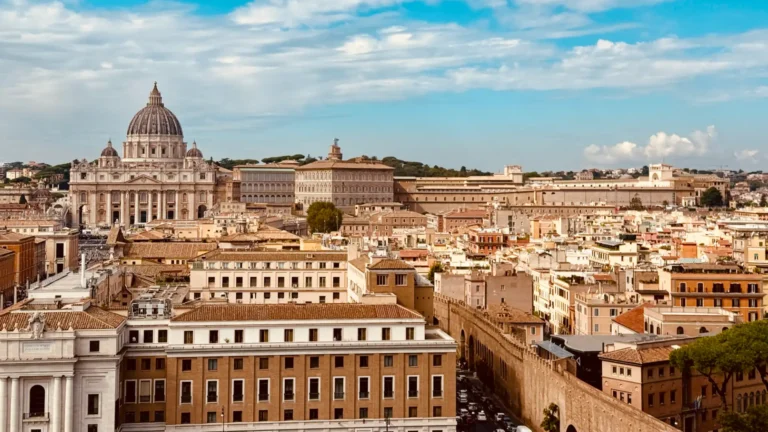
Few places in Rome capture the imagination quite like the Passetto, the secret elevated corridor that connects Vatican City to Castel Sant’Angelo. Hidden above the streets of the historic Borgo

Imagine entering the Colosseum after the gates have closed to the general public. The daytime crowds have disappeared, the summer heat has faded, and Rome’s most famous monument is illuminated