Leonardo da Vinci’s Last Supper in Milan: History, Story and Secrets
Few works of art are as famous as Leonardo da Vinci’s Last Supper in Milan. Painted at the end of the 15th century, the masterpiece has fascinated visitors, historians, and


When people think of the eruption of Mount Vesuvius in AD 79, the first name that comes to mind is usually Pompeii.
Yet just a few miles away lies another extraordinary city, Herculaneum, equally preserved by the same catastrophic eruption but in very different ways.
Both sites offer a fascinating window into daily life in the Roman world, and both are UNESCO World Heritage Sites. But while they share the same tragic fate, visiting them reveals two very different experiences.
If you’re wondering whether to see Pompeii, Herculaneum, or both during your trip to Italy, here’s a detailed guide to help you understand the differences—and why each one is worth exploring with an expert archaeologist.
The most obvious difference is scale.
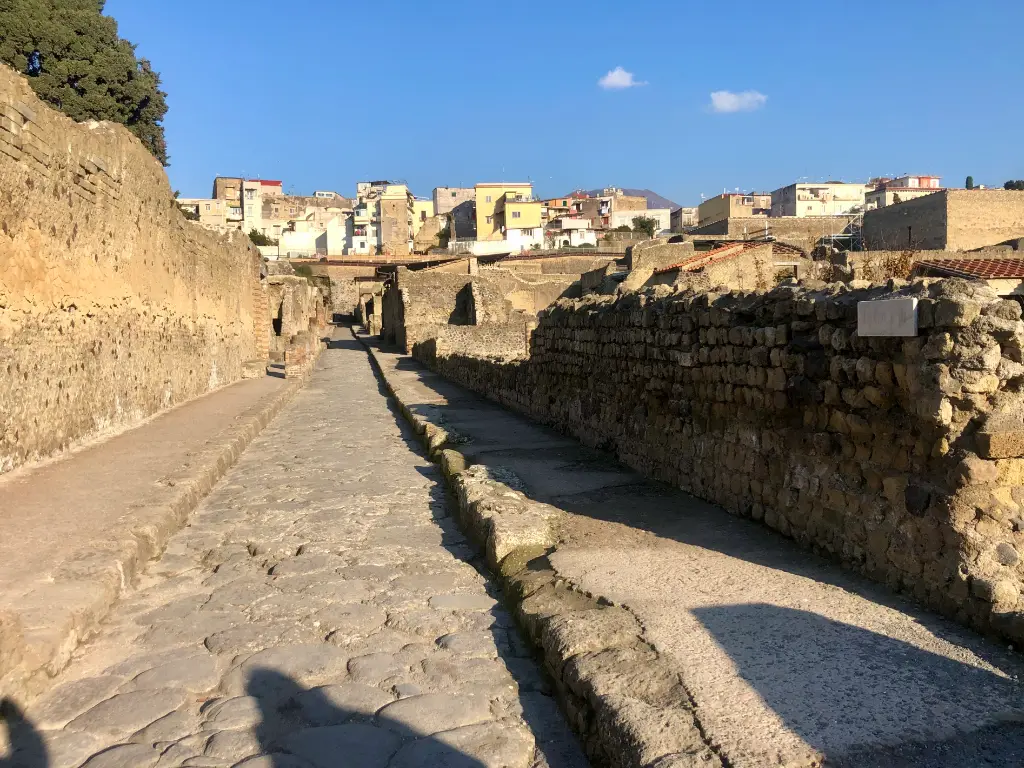
In short: Pompeii impresses with its vastness, while Herculaneum charms with its detail.
Another major difference is how the two cities were preserved.
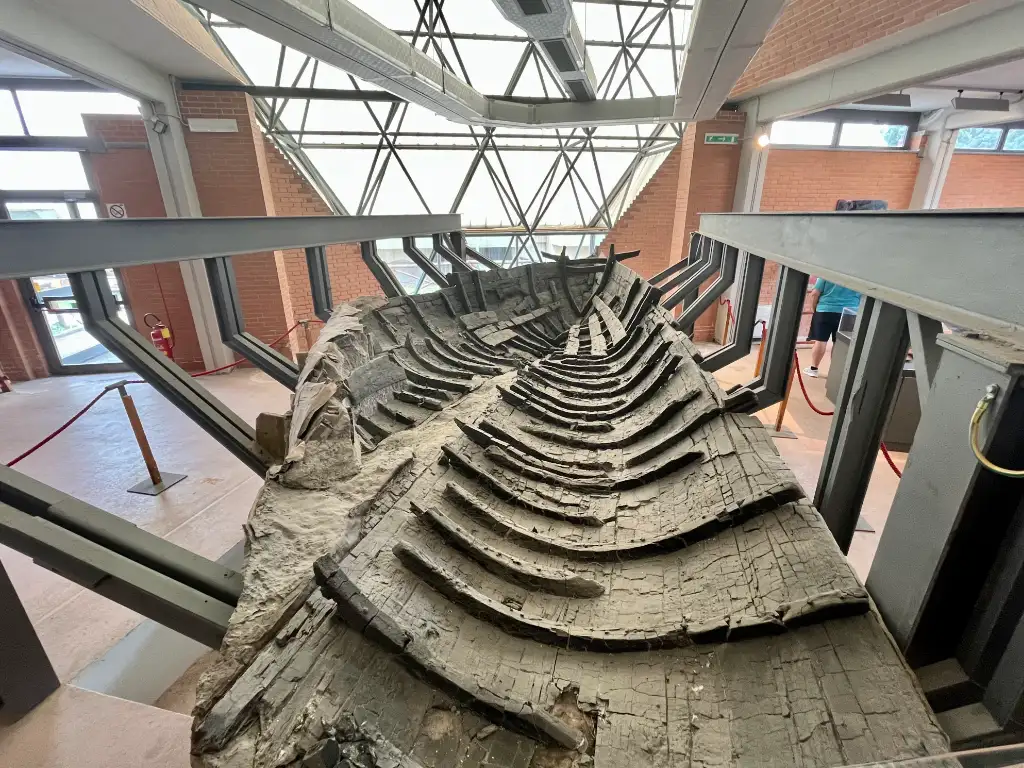
If you want to see frescoes and mosaics, Pompeii is rich in them. But if you’re curious about how Romans actually lived, with their furniture and belongings intact, Herculaneum offers something truly special.
Walking through Herculaneum feels like visiting an upscale coastal community, while Pompeii feels like a bustling provincial capital.
One of the most powerful experiences at Pompeii is seeing the plaster casts of victims. Archaeologists developed a technique of pouring plaster into the voids left in the hardened ash where bodies once lay. The result is hauntingly detailed casts of men, women, and even animals caught in their final moments.
Herculaneum tells a different story. For years, archaeologists believed its residents escaped—until the discovery in the 1980s of more than 300 skeletons huddled in stone boathouses near the ancient shoreline. These remains tell us of people who sought refuge by the sea but were overcome by the pyroclastic surge.
Unlike the ghostly casts of Pompeii, the skeletons of Herculaneum speak directly of the human tragedy, reminding us of the real lives behind the ruins.
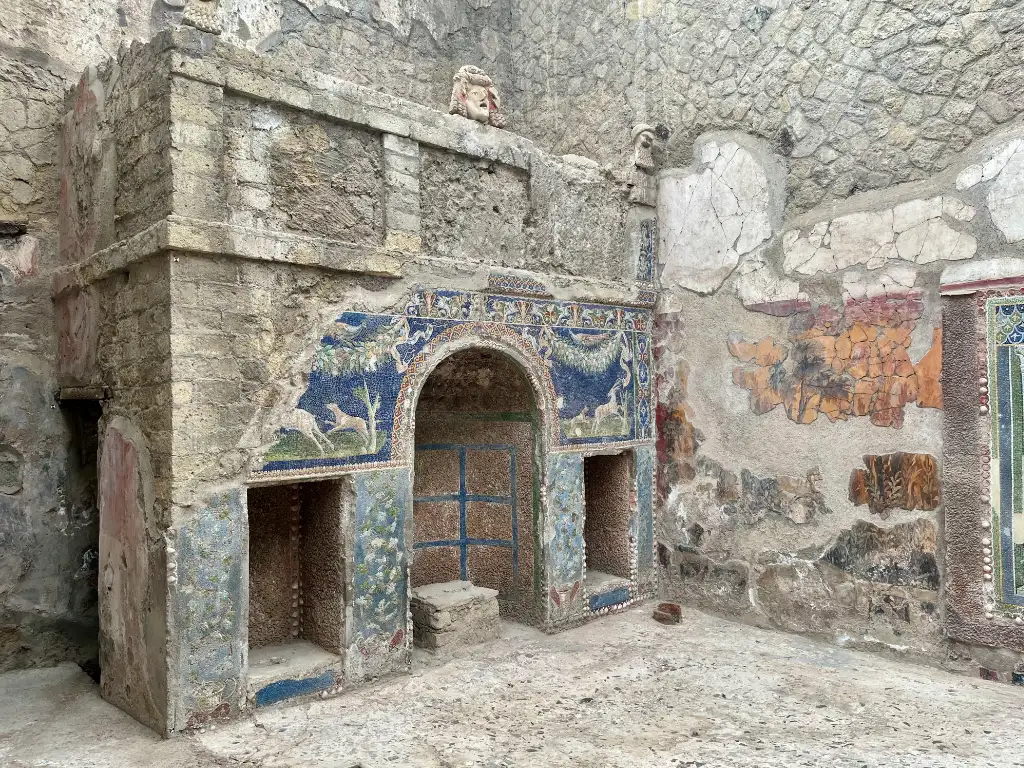
For those fascinated by Roman luxury and culture, Herculaneum provides an unparalleled experience.
The answer depends on what you want to experience:
Visiting these sites is unforgettable—but visiting with an archaeologist takes the experience to a different level. At Italian ArtVentures, our private tours of Pompeii and Herculaneum are led by experts who bring the ruins to life. With professional training in archaeology and years of excavation experience, our guides don’t just point out buildings; they tell the stories behind them.
Imagine standing in the Forum of Pompeii and learning how political speeches echoed across the square, or walking into a Herculaneum dining room while your archaeologist guide explains what Romans ate, how they reclined at banquets, and what the wooden furniture once looked like. These insights transform your visit from a walk through ruins into a vivid journey into Roman life.
We can also combine Pompeii and Herculaneum into one full-day itinerary, complete with private transportation and flexible pacing tailored to your interests. Whether you want to focus on art, daily life, or the dramatic story of the eruption, our team ensures your experience is personal and unforgettable.
Pompeii and Herculaneum are not rivals, but complements. Pompeii gives you the sweep of an entire Roman city, while Herculaneum provides detail and intimacy unmatched anywhere else in the world. Together, they show us both the grandeur and the fragility of Roman civilization.
When Mount Vesuvius erupted in AD 79, it destroyed these cities—but in doing so, it preserved them for us to discover. Walking their streets today, guided by an archaeologist, is the closest you can come to stepping into the Roman past.
At Italian ArtVentures, we believe that exploring Pompeii and Herculaneum is not just sightseeing—it’s time travel. And we’d be honored to guide you on that journey.
You can find our Herculaneum Tour here and our Pompeii Tour here; if you want to visit both, contact us for a customized itinerary.
Few works of art are as famous as Leonardo da Vinci’s Last Supper in Milan. Painted at the end of the 15th century, the masterpiece has fascinated visitors, historians, and
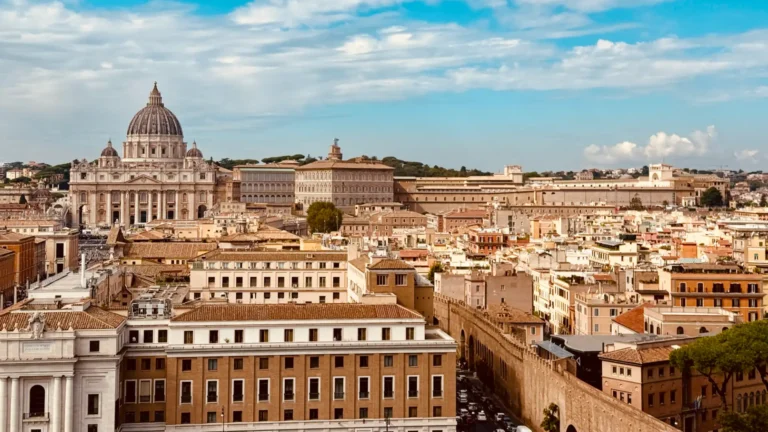
Few places in Rome capture the imagination quite like the Passetto, the secret elevated corridor that connects Vatican City to Castel Sant’Angelo. Hidden above the streets of the historic Borgo
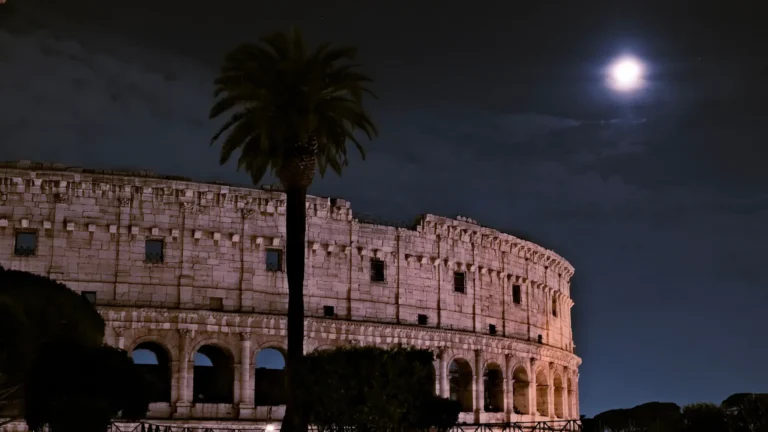
Imagine entering the Colosseum after the gates have closed to the general public. The daytime crowds have disappeared, the summer heat has faded, and Rome’s most famous monument is illuminated